Široka ponudba »proizvodov s posebnim namenom«
Pota jugoslovanske trgovine z orožjem in nekaj sumljivih zgodbic v zvezi z njo
Ključne besede:
trgovina z orožjem, SFRJ, provizijePovzetek
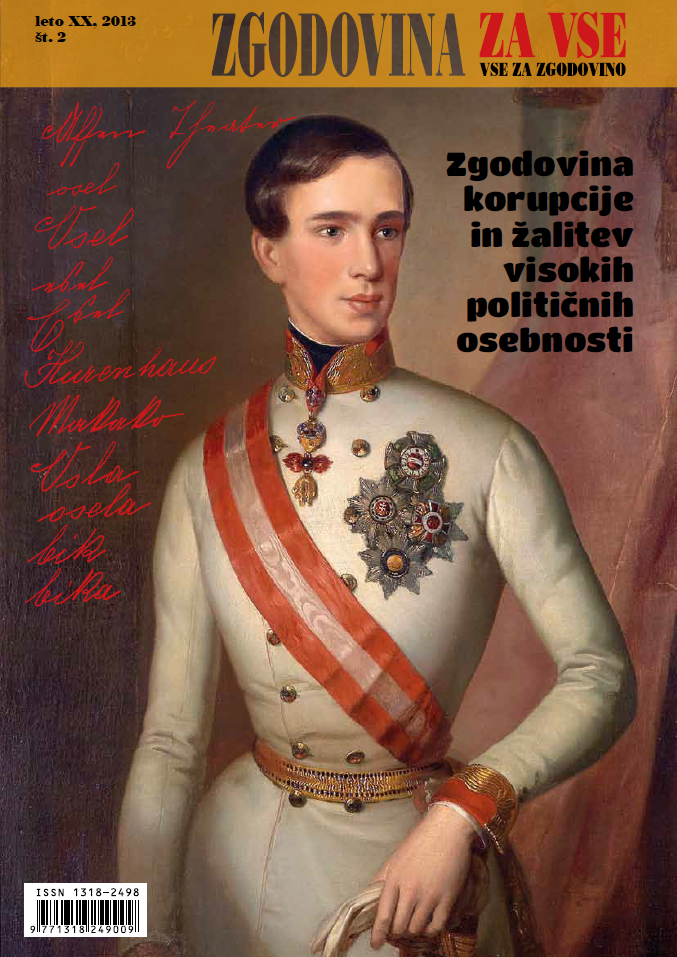
Prispevek na podlagi spominov nekaterih vodilnih jugoslovanskih vojaških uslužbencev prikazuje določene prakse, ki so v svetovni trgovini z orožjem predstavljale stalnico, vendar pa se niso nujno vklapljale v ideološke okvire delovanja druge jugoslovanske države. Koruptivnost visokih državnih uradnikov v državah v razvoju je pogosto omogočala izpeljavo vojaških poslov, jugoslovanska orožarska trgovina pa se je oklepala vzorcev delovanja, ki so temeljili na politiki neuvrščenosti in postajali vse manj učinkoviti. Ideološki problem je predstavljalo plačevanje provizij, ki je odpiralo vsa vrata in omogočalo konkurenčno poslovanje. Razvidno je dojemanje provizij kot nečesa nedopustnega in nemoralnega, čeprav pragmatičnega, vendar je bilo poseganje po »modernih metodah obdelovanja tržišča« nujno potrebno za obstoj na trgu. Trgovina z orožjem in spremljajočimi storitvami je namreč v jugoslovanski proračun prinašala dvakrat več kot turizem, zato nerazumevanje koncepta provizije/podkupnine v osemdesetih letih ni prišlo več v poštev.
Prenosi
Objavljeno
Številka
Rubrika
Licenca
Avtorske pravice (c) 2025 Jurij Hadalin

To delo je licencirano pod Creative Commons Priznanje avtorstva-Deljenje pod enakimi pogoji 4.0 mednarodno licenco.
Avtorji prispevkov, objavljenih v tej reviji, soglašajo z naslednjimi pogoji glede avtorskih pravic:
- Avtorji ohranijo avtorske pravice, reviji pa odobrijo pravico do prve objave. Delo se hkrati zaščiti z licenco za prosto uporabo avtorskih del (Creative Commons Attribution License), ki drugim osebam omogoča deljenje dela ob priznanju avtorstva in prve objave v tej reviji.
- Avtorji lahko sklenejo ločene dodatne pogodbene dogovore za neizključno distribucijo različice dela, objavljene v reviji, (npr. oddaja v institucionalni repozitorij ali objava v knjigi) z navedbo, da je bilo delo prvič objavljeno v tej reviji.
- Pred postopkom pošiljanja in med njim lahko avtorji delo objavijo v spletu (npr. v institucionalnih repozitorijih ali na svoji spletnih strani), k čemer jih tudi spodbujamo, saj lahko to prispeva k plodnim izmenjavam ter hitrejšemu in obsežnejšemu navajanju objavljenega dela (glej The Effect of Open Access).