»Slepemu se pač olajša njegova tuga najbolj s tem, da se mu ustvarijo pogoji za kolikor mogoče samostojno preživljanje.«
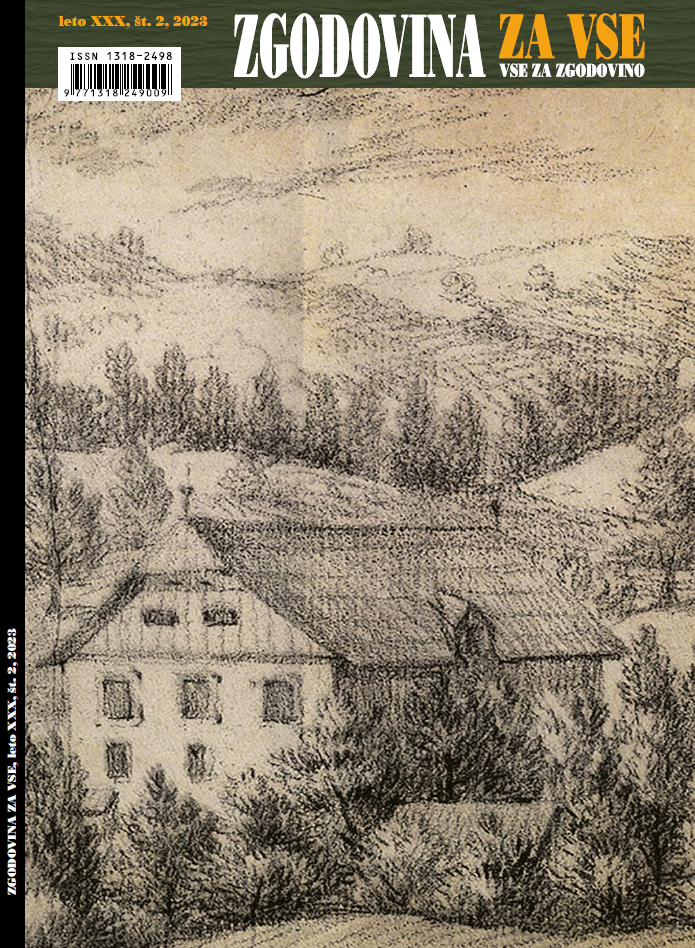
Zgodovina izobraževanja slepih in slabovidnih otrok na Slovenskem v Zavodu za slepe in slabovidne v 20. stoletju
Ključne besede:
Slepi in slabovidni, tiflopedagogika, Zavod za slepe in slabovidnePovzetek
Prispevek raziskuje zgodovino izobraževanja slepih in slabovidnih otrok na Slovenskem. Po predstavitvi začetkov skrbi za slepe vojake, sledi ustanovitvi zavoda na slovenskih tleh in njegovemu razvoju skozi 20. stoletje. Prispevek osvetljuje izzive in napredke v izobraževanju slepih ter opisuje, kako je potekalo izobraževanje slepih, katerih predmetov so se učili, kakšne pripomočke so uporabljali in kakšen je bil tiflopedagoški pristop v tem oziru. Besedilo predstavi nekaj tiflopedagogov in njihov prispevek k delovanju zavoda in poudarja osrednjo vlogo institucije pri opolnomočenju slepih posameznikov, da zaživijo neodvisno življenje in si prizadevajo za raznolike kariere.
Prenosi
Objavljeno
Številka
Rubrika
Licenca
Avtorske pravice (c) 2025 Julija Šuligoj

To delo je licencirano pod Creative Commons Priznanje avtorstva-Deljenje pod enakimi pogoji 4.0 mednarodno licenco.
Avtorji prispevkov, objavljenih v tej reviji, soglašajo z naslednjimi pogoji glede avtorskih pravic:
- Avtorji ohranijo avtorske pravice, reviji pa odobrijo pravico do prve objave. Delo se hkrati zaščiti z licenco za prosto uporabo avtorskih del (Creative Commons Attribution License), ki drugim osebam omogoča deljenje dela ob priznanju avtorstva in prve objave v tej reviji.
- Avtorji lahko sklenejo ločene dodatne pogodbene dogovore za neizključno distribucijo različice dela, objavljene v reviji, (npr. oddaja v institucionalni repozitorij ali objava v knjigi) z navedbo, da je bilo delo prvič objavljeno v tej reviji.
- Pred postopkom pošiljanja in med njim lahko avtorji delo objavijo v spletu (npr. v institucionalnih repozitorijih ali na svoji spletnih strani), k čemer jih tudi spodbujamo, saj lahko to prispeva k plodnim izmenjavam ter hitrejšemu in obsežnejšemu navajanju objavljenega dela (glej The Effect of Open Access).