When one Guild Member had to pay for Everyone
Keywords:
guilds, guild meetings, guild rules, excessive drinkingAbstract
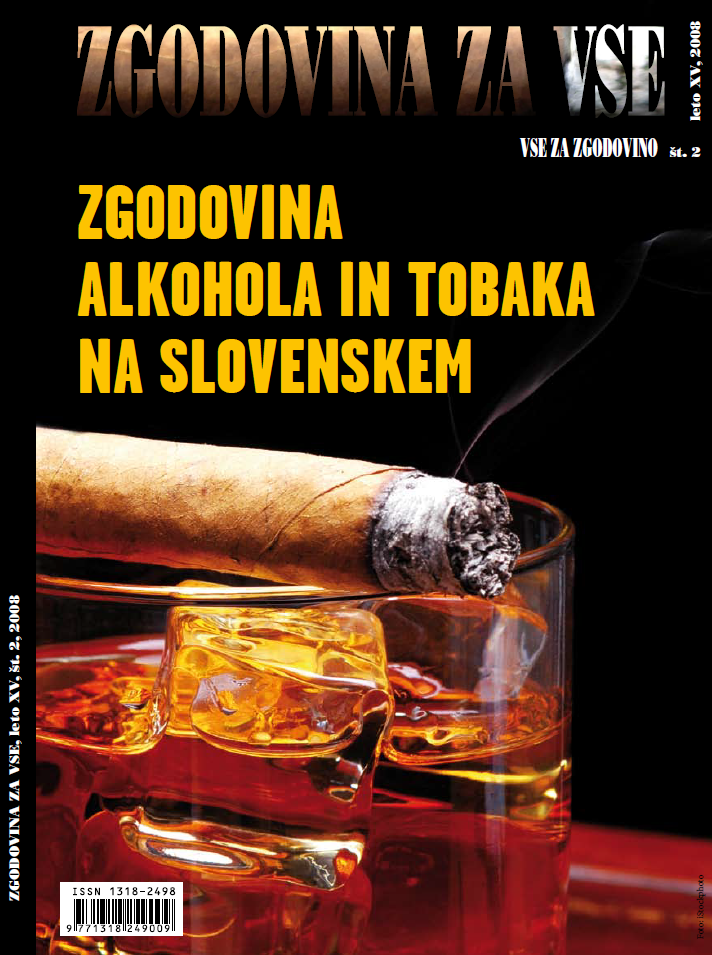
A guild connected its membership on the professional, religious and charitable levels. Their religious insignia reflected strict obedience to Catholic moral values, one tenet of which no doubt was to avoid excessive drinking. Despite this, life in guilds often involved full tables and glasses, which in many cases led both the light-hearted masters and their assistants into irrisistible temptation. They often succumbed to it, and their drunkenness consequently led to scandals and a poor reputation for the trade and the guild of which they were members. The rulers, who became ever more radical in their attempts to reduce the guilds’ independence after the mid-16th century, enjoyed full support of the Church structures and put a lot of effort into cutting expenses for various guild feasts and imposing strict sanctions for those who spent more on banquets and drink than was allowed. The Guild Commissioners, who were appointed by the authorities, carefully controlled the annual guild account reports. They took care that guild rules were adhered to. In particular during the time of Charles VI, Maria Theresa and Joseph II, these rules strictly required the craftsmen to live virtuously and piously with no excessive wastefulness and convivality. However, restrictions on excessive drinking by guild members were just another example of the deep gap between the regulations, on the one hand, and real life on the other.
Downloads
Published
Issue
Section
License
Copyright (c) 2025 Aleksander Žižek

This work is licensed under a Creative Commons Attribution-ShareAlike 4.0 International License.
Authors who publish with this journal agree to the following terms:
- Authors retain copyright and grant the journal right of first publication with the work simultaneously licensed under a Creative Commons Attribution License that allows others to share the work with an acknowledgement of the work's authorship and initial publication in this journal.
- Authors are able to enter into separate, additional contractual arrangements for the non-exclusive distribution of the journal's published version of the work (e.g., post it to an institutional repository or publish it in a book), with an acknowledgement of its initial publication in this journal.
- Authors are permitted and encouraged to post their work online (e.g., in institutional repositories or on their website) prior to and during the submission process, as it can lead to productive exchanges, as well as earlier and greater citation of published work (See The Effect of Open Access).