»Der Hudič ist hier zu Hause« – med uboštvom, glasbo, portreti neznanih prednikov, shizofrenijo in evtanazijo
Usode zadnjih Valvasorjevih potomcev na Slovenskem v prvi polovici 20. stoletja in njihova kulturno-umetnostna zapuščina
Ključne besede:
Ljubljana, Valvasor, Celje, shizofrenija, baroni DienersbergPovzetek
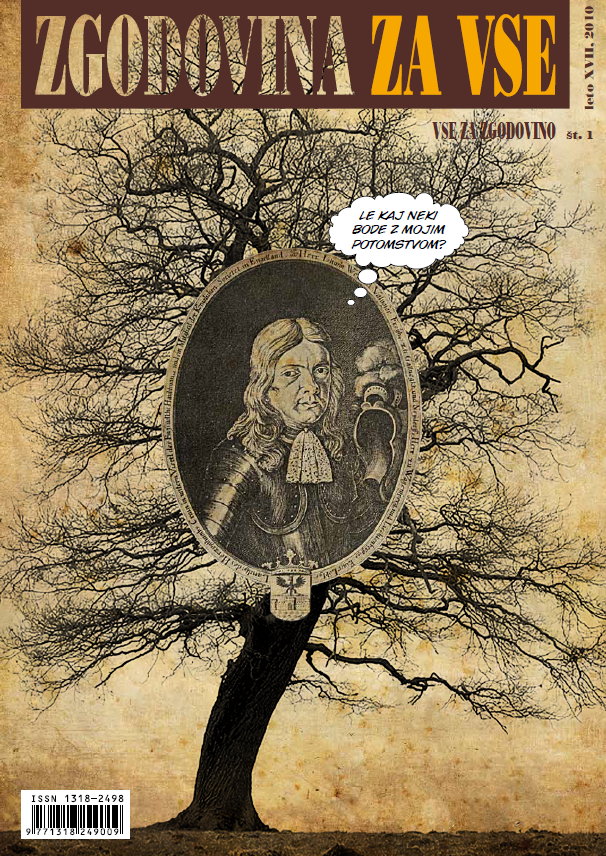
Razprava obravnava raznolike usode štirih družin zadnjih potomcev kranjskega polihistorja J. V. Valvasorja (1641–1693), ki so prebivali na slovenskih tleh (v tujini živijo potomci še danes), in sicer v prvi polovici 20. stoletja, do leta 1941. Vsem je skupno, da so umrli brez potomstva, da slovenščina nikomur ni bila materni jezik in da najbrž nihče ni vedel za sorodstvo z Valvasorjem. Njihove zgodbe so na pogled precej dekadentne. Gre za skupek usod ljudi v najbolj nemirnem stoletju novejše človeške zgodovine, ki so se za povrh znašli na enem najbolj krvavih koščkov Srednje Evrope. Težko bi našli bolj pisano druščino oseb, te pa imajo poleg geografskega prostora en sam skupni imenovalec: skupne prednike, konkretno edinega od trinajstih Valvasorjevih pravnukov pl. Dienerspergov, za katerim so ostali legitimni potomci. Več pozornosti je posvečene dvema od osmerice zadnjih »slovenskih valvasorjevcev«: skladatelju Rudolfu Weis-Ostbornu, ki se je edini zapisal v regionalno zgodovino, ter nesrečni žrtvi nacistične evtanazije Karlu Mayerju, za katerim je ostalo največ osebnih pričevanj. Z drugih zornih kotov so zanimive življenjske usode preostalih oseb, pri nekaterih tudi raziskovalna pot, kako jih je bilo sploh mogoče odkriti. In končno so imeli čisto posebno usodo rokopisni spomini in zbirka portretov prednikov, za katere niti njihovi lastniki Koflerjevi s Koga pri Ormožu niso vedeli, koga vse predstavljajo in kako dragoceni utegnejo biti nekega dne za spoznavanje Valvasorjevega »neznanega« potomstva.
Prenosi
Objavljeno
Številka
Rubrika
Licenca
Avtorske pravice (c) 2025 Boris Golec

To delo je licencirano pod Creative Commons Priznanje avtorstva-Deljenje pod enakimi pogoji 4.0 mednarodno licenco.
Avtorji prispevkov, objavljenih v tej reviji, soglašajo z naslednjimi pogoji glede avtorskih pravic:
- Avtorji ohranijo avtorske pravice, reviji pa odobrijo pravico do prve objave. Delo se hkrati zaščiti z licenco za prosto uporabo avtorskih del (Creative Commons Attribution License), ki drugim osebam omogoča deljenje dela ob priznanju avtorstva in prve objave v tej reviji.
- Avtorji lahko sklenejo ločene dodatne pogodbene dogovore za neizključno distribucijo različice dela, objavljene v reviji, (npr. oddaja v institucionalni repozitorij ali objava v knjigi) z navedbo, da je bilo delo prvič objavljeno v tej reviji.
- Pred postopkom pošiljanja in med njim lahko avtorji delo objavijo v spletu (npr. v institucionalnih repozitorijih ali na svoji spletnih strani), k čemer jih tudi spodbujamo, saj lahko to prispeva k plodnim izmenjavam ter hitrejšemu in obsežnejšemu navajanju objavljenega dela (glej The Effect of Open Access).